On February 9, the American professional baseball team based in Washington, D.C., the Washington Nationals, announced the team has partnered with Terra, the open-source blockchain platform and decentralized autonomous organization (DAO). The Washington Nationals detail that the team is a “leading innovator” and is “consistently introducing new technologies to enhance the fan experience.” Washington Nationals Ink Long-Term Deal With Terra Major League Baseball (MLB) team the Washington Nationals has partnered with the blockchain platform and DAO Terra, according to an announcement published by the team on Wednesday. The deal with Terra follows a slew of sports-related deals with crypto firms, but the MLB team will be the first to partner with an open-source blockchain project. In addition to the partnership, the algorithmic stablecoin UST that’s issued on the Terra blockchain will be “accepted as a payment method at Nationals Park as early as next season.” “The Nationals continue t...
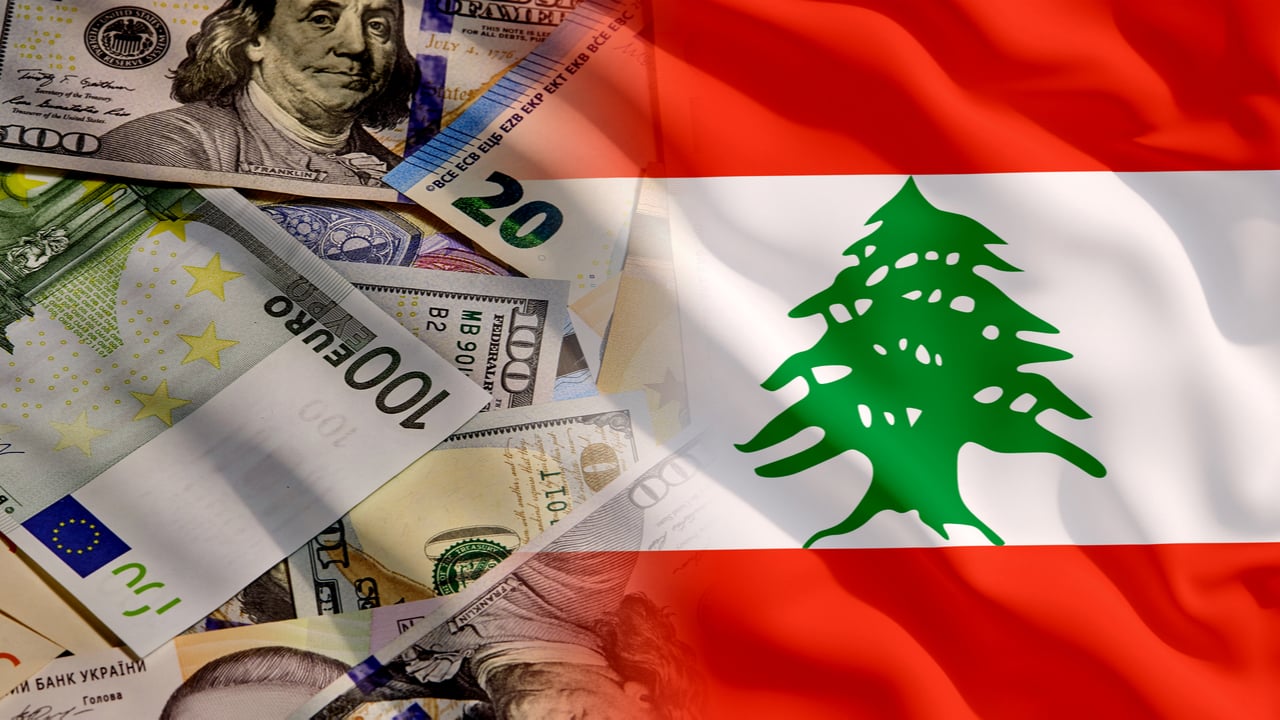
The Lebanese government is reportedly planning to devalue the local currency by up to 93% in a desperate bid to receive funding from the International Monetary Fund (IMF). As part of the plan, a major portion of foreign currency deposits in the banking system will be converted into local currency at different exchange rates.
Bailout Only Path Out of Crisis
In a bid to tackle its financial crisis, the Lebanese government is reportedly pursuing a plan that will see the country’s local currency being devalued by 93%. In addition, the government plans to convert a significant portion of foreign currency deposits in the banking system into the Lebanese pound.
According to a Reuters report, the Lebanese government hopes pursuing this financial plan will enable the country to secure a bailout from the International Monetary Fund (IMF). This bailout is seen as Lebanon’s only path out of a long-running financial crisis.
The report on Lebanon’s latest plan to devalue its currency comes nearly two months after the central bank issued a directive — one that indirectly devalued the exchange rate for residents withdrawing from their dollar savings accounts. Immediately after the directive took effect, many Lebanese residents, with funds trapped in foreign currency-denominated savings accounts, reportedly besieged banks as they attempted to cash out their funds.
The government’s latest plan will result in holders of foreign currency-denominated savings accounts ceding all their savings to the government at several conversions, including one that devalues the pound by 75%.
Aligning Lebanon’s Exchange Rates
The objective of the government financial plan is to align the official exchange rate with that of the parallel market. Doing so has been the IMF’s key demand to the Lebanese government. At the time of writing, the Lebanese pound’s official exchange rate versus the U.S. dollar stands at 1,511 to one, while on the parallel market, one USD buys 21,300 Lebanese pounds.
Meanwhile, the Reuters report explains that as part of the government’s plan, depositors are expected to incur losses amounting to $38 billion while the government itself, shareholders in banks, and the central bank will incur a combined loss of $31 billion. The plan adds that the Lebanese government will return $25 billion to depositors in a period not exceeding 15 years.
What are your thoughts on this story? Tell us what you think in the comments section below.
Comments
Post a Comment