On February 9, the American professional baseball team based in Washington, D.C., the Washington Nationals, announced the team has partnered with Terra, the open-source blockchain platform and decentralized autonomous organization (DAO). The Washington Nationals detail that the team is a “leading innovator” and is “consistently introducing new technologies to enhance the fan experience.” Washington Nationals Ink Long-Term Deal With Terra Major League Baseball (MLB) team the Washington Nationals has partnered with the blockchain platform and DAO Terra, according to an announcement published by the team on Wednesday. The deal with Terra follows a slew of sports-related deals with crypto firms, but the MLB team will be the first to partner with an open-source blockchain project. In addition to the partnership, the algorithmic stablecoin UST that’s issued on the Terra blockchain will be “accepted as a payment method at Nationals Park as early as next season.” “The Nationals continue t...
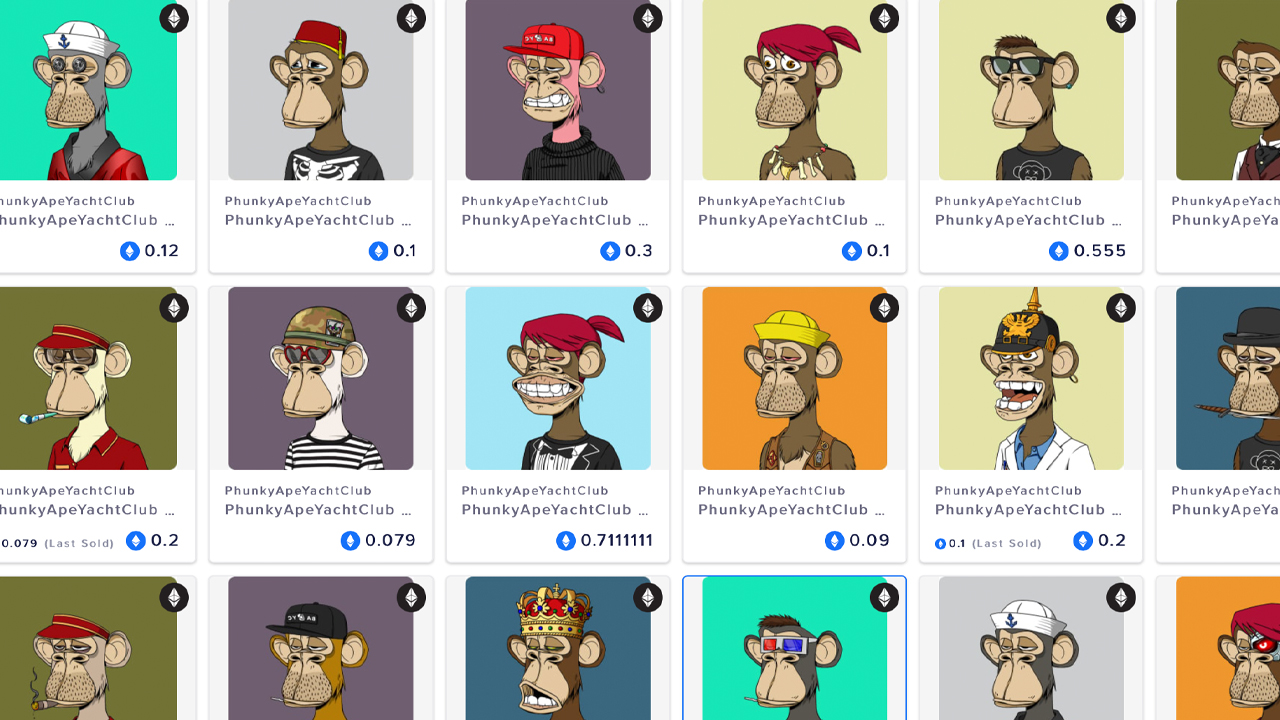
In the midst of the hype surrounding the Bored Ape Yacht Club (BAYC) non-fungible token (NFT) collectibles, two NFT projects have appeared offering near-identical or mirrored versions of the original BAYC NFTs. The NFT marketplace Opensea has removed the NFT projects from the market for breaking the rules against copyright infringement.
2 Copycat Bored Ape Yacht Club Projects Cause a Stir
NFT fans have been discussing two controversial copycat NFT projects called PHAYC and PAYC (Phunky Ape Yacht Club) in recent times. The two projects introduced the copycat versions of Bored Ape Yacht Club (BAYC) NFTs that were slightly altered or mirrored.
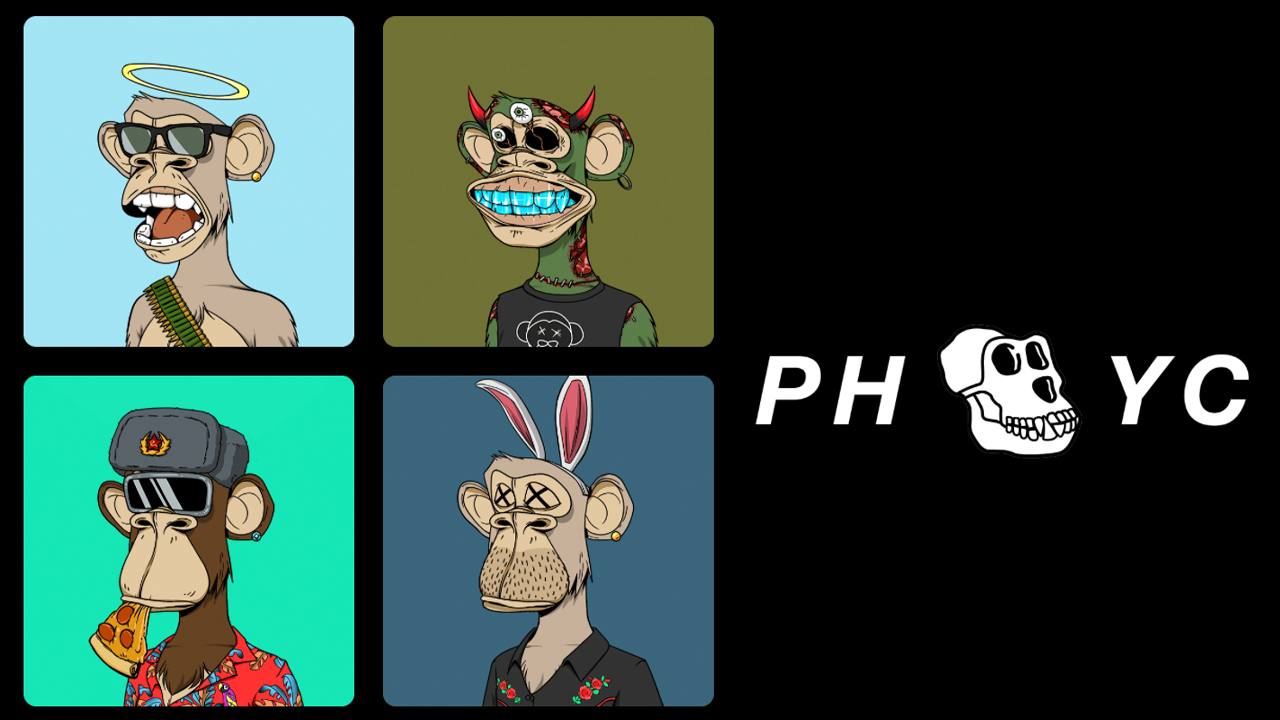
Essentially, the phony BAYCs face left instead of right, and they share the exact same avatars as BAYC originals. When the PAYC project revealed its concept, it paid homage to the Cryptophunks which were also similarly styled, copycat versions of the popular Cryptopunks NFT collection.
“Once upon a time, the Cryptophunks waged war against the tyranny of DMCA,” the PAYC creators wrote on December 6. “We are joining the battle. It’s time to get phunky. We are launching 10,000 hand-coded and phlipped NFTs.”
The other project, PHAYC, was covered by Coindesk author Tracy Wang on December 30. Wang detailed that the PHAYC project “launched Tuesday evening as a free mint to the first 8,500 claimers and generated about 60 ETH from the remaining 1,496 sales.”
The Battle Over Which Phony BAYC Project Was First
Additionally, both PAYC and PHAYC have been battling on Twitter about which project is the true copycat of the popular BAYC NFTs. “I have just been informed that there is a copycat PHAYC that launched after us. Anybody else hear of this blasphemy?” the PAYC project tweeted on December 29. An individual responded and said:
I guess the first one of you with your own independent market wins. Victors get to write the history books good luck.
Following the significant demand for Cryptopunks (CP) and Bored Ape Yacht Club (BAYC) NFTs in 2021, a number of unoriginal copycat ideas were launched but none of them were near-identical, mirrored copies of the originals.
Yuga Labs, the creators of BAYC have copyrighted the original BAYC artwork and the artists could take legal action and file a DMCA claim. To date, both CP and BAYC have been the most popular NFT collections in terms of volume. While CP captured $2.98 billion in all-time volume, the original BAYC NFT collection obtained $1.04 billion in volume.
What do you think about the 2 copycat BAYC NFT projects? Let us know what you think about this subject in the comments section below.
Comments
Post a Comment