On February 9, the American professional baseball team based in Washington, D.C., the Washington Nationals, announced the team has partnered with Terra, the open-source blockchain platform and decentralized autonomous organization (DAO). The Washington Nationals detail that the team is a “leading innovator” and is “consistently introducing new technologies to enhance the fan experience.” Washington Nationals Ink Long-Term Deal With Terra Major League Baseball (MLB) team the Washington Nationals has partnered with the blockchain platform and DAO Terra, according to an announcement published by the team on Wednesday. The deal with Terra follows a slew of sports-related deals with crypto firms, but the MLB team will be the first to partner with an open-source blockchain project. In addition to the partnership, the algorithmic stablecoin UST that’s issued on the Terra blockchain will be “accepted as a payment method at Nationals Park as early as next season.” “The Nationals continue t...
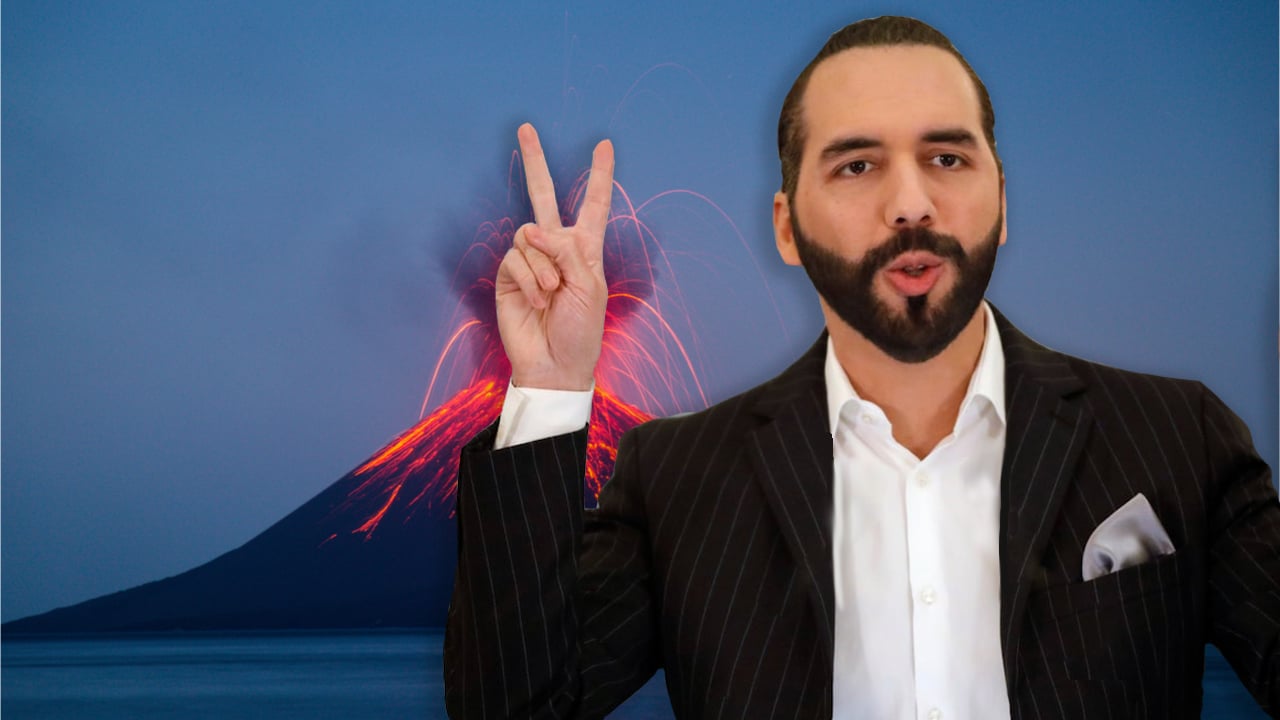
On Tuesday, Salvadoran president Nayib Bukele shared a video of a bitcoin mine operating adjacent to a volcano. Bukele discussed the volcano-powered bitcoin mining on June 9 when he talked about the “95MW of 100% clean, 0 emissions geothermal energy from our volcanos.”
El Salvador’s Nayib Bukele Shares a Video of the ‘First Steps’ Behind the Volcano-Powered Bitcoin Mine Construction
The president of El Salvador shared a video via the social media platform Twitter that said “First steps,” as the film shows ASIC bitcoin mining rigs being installed at a geothermal energy plant. The video shows containers that are emblazoned with the Salvadoran government logos and a large quantity of ASIC mining devices. The video has been viewed around 2 million times on Twitter, and Bukele’s video tweet has over 50K likes and over 12,000 retweets.
First steps…
🌋#Bitcoin🇸🇻 pic.twitter.com/duhHvmEnym
— Nayib Bukele 🇸🇻 (@nayibbukele) September 28, 2021
While many bitcoin proponents said the mining facility was “impressive,” a few Salvadoran citizens complained about the use of energy. “So, there are centers to produce more energy, but to mine bitcoin,” one individual asked the Salvadoran president. “People who have been waiting for electricity for more than 30 years. Not that you would help those most in need? Hypocrite,” the person added.
A lot of people gave the woman flak for asking Bukele that question, but a number of people stuck up for her. “She just wonders, like any normal person,” another individual replied in Nayib Bukele’s tweet thread. “Why is there money to set up power plants for [bitcoin] mining and there is no money to supply the entire population. Before insulting people, make an argument,” the person added. Besides the introduction to volcano-powered bitcoin mining this past June, Bukele also discussed the subject in greater detail on an episode of “What Bitcoin Did.”
‘Very Clean Source of Energy With Almost No Downsides,’ Project Construction to Cost $480 Million
The Salvadoran president told the host Peter McCormack about how “El Salvador has not been the country that’s recognised to be the first in innovation,” but he asked, “Why not this time?”
While Bukele stressed during his interview that geothermal energy was “a very, very clean source of energy” and that it has “almost no downsides,” the Salvadoran president did not go over the subject of specific Salvadorans not having access to electricity. “Currently, the electrification index is 83.4%” in El Salvador according to the latest statistics. Major urban areas in El Salvador have around 97% access to electricity, while ruralized regions in the country today show an electrification index estimate of around 72%.
El Salvador is the largest producer of geothermal energy in Central America and in July, the country suffered from a massive power outage. The Regional Operator Entity (EOR) based in El Salvador told the press that they witnessed a “load loss of 2,300 megawatts.”
The power outage in El Salvador and other regions in Central America cost around $18.2 million from failures. “The demand we had at that time was around 8,300 megawatts in the Central American region. We have lost 30% of the electrical power load,” the EOR director, René González, told reporters.
When discussing the volcano bitcoin mining experiment with Peter McCormack, Bukele emphasized that the project will be costly. “It’s going to cost $480 million, so that’s going to be a legacy for the country because we are building infrastructure paid by bitcoin,” Bukele said in his interview. Alongside this, demand for electricity in El Salvador is expected to grow annually at a rate of 5% year-over-year.
What do you think about the ‘first steps’ volcano-powered bitcoin mine video shared by Salvadoran president Nayib Bukele? Let us know what you think about this subject in the comments section below.
Comments
Post a Comment