On February 9, the American professional baseball team based in Washington, D.C., the Washington Nationals, announced the team has partnered with Terra, the open-source blockchain platform and decentralized autonomous organization (DAO). The Washington Nationals detail that the team is a “leading innovator” and is “consistently introducing new technologies to enhance the fan experience.” Washington Nationals Ink Long-Term Deal With Terra Major League Baseball (MLB) team the Washington Nationals has partnered with the blockchain platform and DAO Terra, according to an announcement published by the team on Wednesday. The deal with Terra follows a slew of sports-related deals with crypto firms, but the MLB team will be the first to partner with an open-source blockchain project. In addition to the partnership, the algorithmic stablecoin UST that’s issued on the Terra blockchain will be “accepted as a payment method at Nationals Park as early as next season.” “The Nationals continue t...
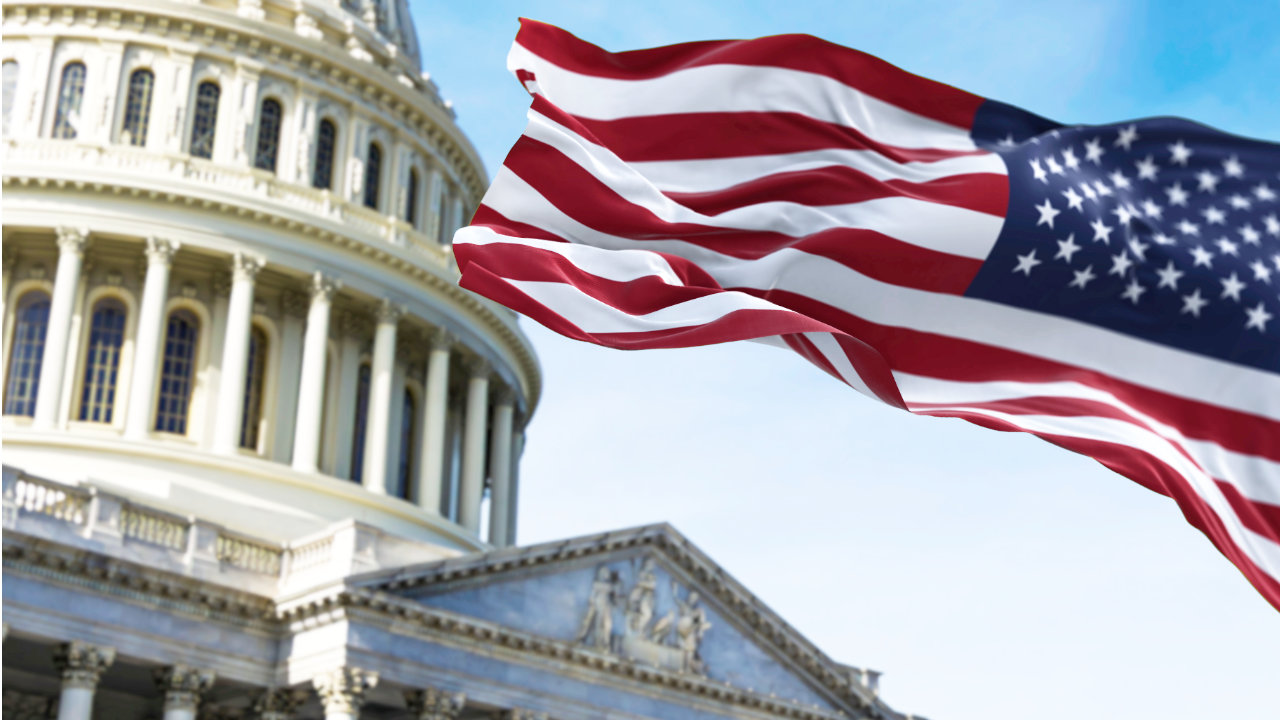
Five U.S. senators have been working with the Treasury Department and have come up with a compromise crypto amendment to the $1.2 trillion infrastructure bill. “We’ve worked with the Treasury Department to clarify the underlying text and ensure that those who are not acting as brokers will not be subject to the bill’s reporting requirements.”
Senators, Treasury Department Agree on Compromise Amendment for Crypto Reporting Requirements
The U.S. Senate Committee on Banking, Housing, and Urban Affairs announced Monday that Senators Pat Toomey (R-Pa,) Mark Warner (D-Va.) Cynthia Lummis (R-Wyo.), Kyrsten Sinema (D-Az.), and Rob Portman (R-Oh.) have reached “an agreement on digital asset reporting requirements” in the infrastructure bill.
The announcement details:
We’ve worked with the Treasury Department to clarify the underlying text and ensure that those who are not acting as brokers will not be subject to the bill’s reporting requirements.
In the press conference held Monday on the subject, Senator Toomey explained that this compromise amendment is not a perfect solution, but it is “much better than the underlying text” currently in the bill.
Emphasizing that “crypto software developers, crypto transaction validators, node operators, and other non-brokers” are excluded, Toomey said:
Our solution makes clear that a broker means only those persons who conduct transactions on exchanges where consumers buy, sell, and trade digital assets.
Coin Center’s executive director, Jerry Brito, agrees that the compromise amendment “tightens the expanded definition of ‘broker’ sufficiently that it would be difficult to argue it covers protocol devs who only write and publish code,” adding that it also “has exemptions for validators and hardware/software wallet makers.”
Last week, two amendments to the crypto provisions in the infrastructure bill were introduced. One was sponsored by Senators Ron Wyden, Toomey, and Lummis. Wyden is the chairman of the U.S. Senate Committee on Finance. He has not signed on to the new compromise amendment but “he does agree that this is a big step in the right direction,” said Lummis.
While the crypto community supported the Toomey-Wyden-Lummis amendment, the White House chose to back a competing amendment sponsored by Senators Warner, Portman, and Sinema. However, their amendment originally excluded only proof-of-work miners, which caused major concerns that the U.S. government was picking winners and losers in innovation. There were also reports that Treasury Secretary Janet Yellen had been lobbying against the Toomey-Wyden-Lummis plan.
The pro-bitcoin senator from Wyoming opined Monday:
We’ve been working all weekend to come up with a compromise to address the digital asset broker issue in the Bipartisan Infrastructure Framework. While it’s not perfect, it protects innovation and doesn’t choose winners and losers.
“Today, we’re going to push for a unanimous consent agreement on the Senate floor, which we are hoping will be successful,” she added.
What do you think about this new crypto amendment? Let us know in the comments section below.
Comments
Post a Comment