On February 9, the American professional baseball team based in Washington, D.C., the Washington Nationals, announced the team has partnered with Terra, the open-source blockchain platform and decentralized autonomous organization (DAO). The Washington Nationals detail that the team is a “leading innovator” and is “consistently introducing new technologies to enhance the fan experience.” Washington Nationals Ink Long-Term Deal With Terra Major League Baseball (MLB) team the Washington Nationals has partnered with the blockchain platform and DAO Terra, according to an announcement published by the team on Wednesday. The deal with Terra follows a slew of sports-related deals with crypto firms, but the MLB team will be the first to partner with an open-source blockchain project. In addition to the partnership, the algorithmic stablecoin UST that’s issued on the Terra blockchain will be “accepted as a payment method at Nationals Park as early as next season.” “The Nationals continue t...
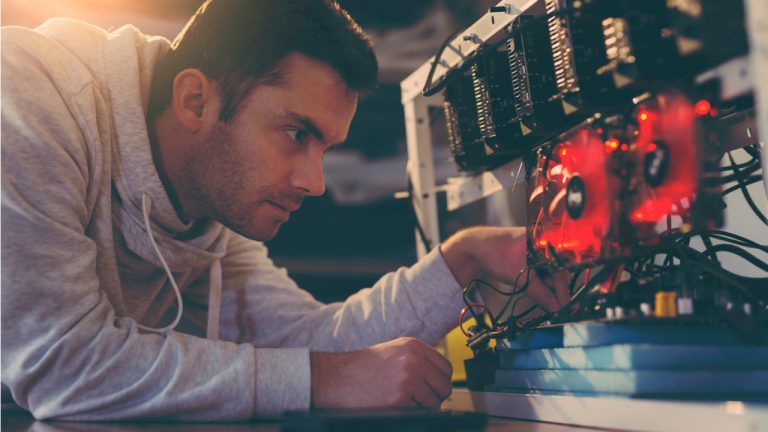
With rising unemployment rates and rampant economic uncertainty, in the wake of the Covid crisis, a growing number of Brazilians are finding an alternative income source in cryptocurrency mining. GPU rigs have been spotted even in favelas as a relatively small investment can return more than the average salary in Brazil.
Pandemic and Uncertainty Turn More Brazilians to Cryptocurrency Mining
The ongoing coronavirus pandemic has taken a heavy toll on Brazil and the country ranks among the hardest hit, with over 450,000 deaths due to Covid-19. South America’s largest economy shrank by more than 4% in 2020 resulting in a record high unemployment for almost a decade – 14.3 million citizens are jobless, the national statistical office announced earlier this year.
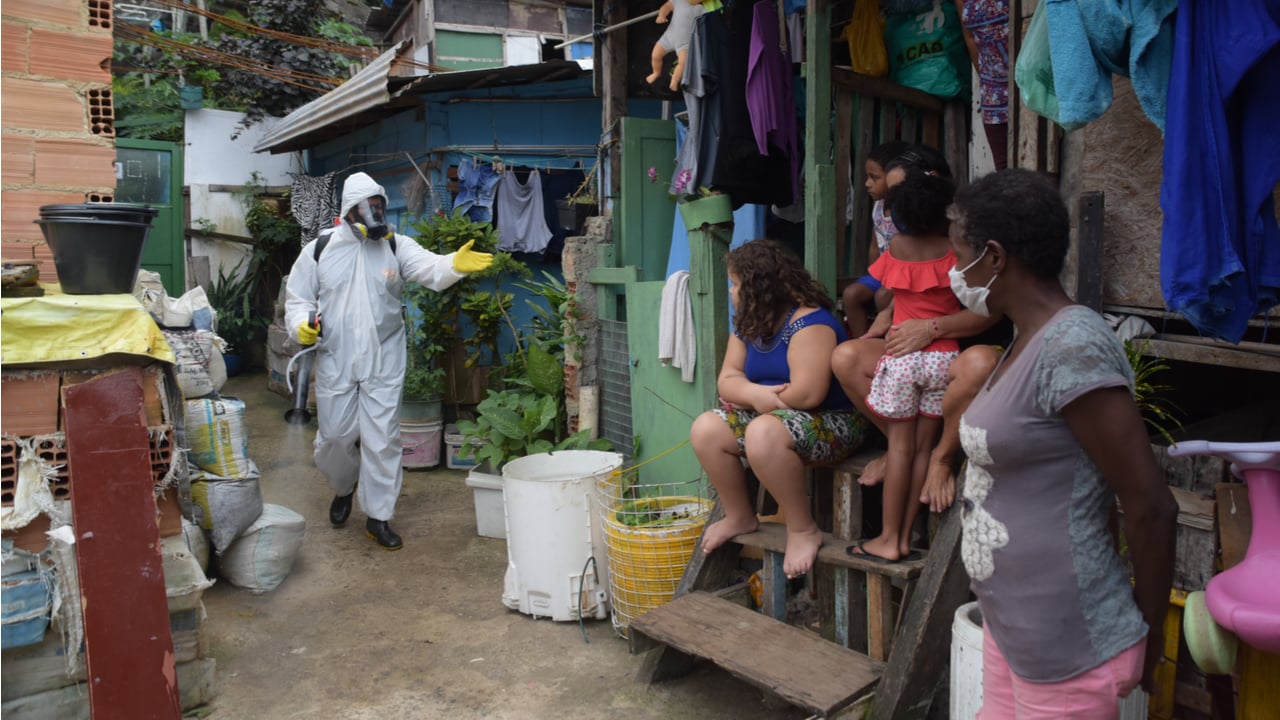
Low or no salaries, along with bleak economic perspectives, have pushed Brazilians to find new ways to make ends meet. According to a recent report by Portal do Bitcoin, a growing number of people in the country have been turning to crypto mining as an alternative source of income. Government data showing a surge in hardware imports and electricity consumption has confirmed the trend.
Profitability varies depending on the scale, but a 34-year-old student from Piumhi has helped the crypto news outlet to get an idea of the economics of home mining. Expedito Felipe started minting ether (ETH) in January, “to increase, diversify” his income, investing 47,000 reals (around $9,000) in equipment. He earns between 3,000 and 5,000 reals a month (approx. $600 – $900), spending only around $100 on electricity.
In the absence of exact figures, it’s hard to accurately estimate the true dimensions of the home mining activity in Brazil, but circumstantial indicators show that it is thriving. Several Facebook groups with large memberships are spreading information about the technical aspects, while Youtube videos on the topic have accumulated hundreds of thousands of views. According to some social media reports, rigs are now mining even in favelas, Brazil’s poorest neighborhoods.
Brazil Imports Video Cards for $20 Million in Q1 This Year
Socio-economic issues like unemployment, the lack of opportunities, and the devaluation of the Brazilian real can partially explain the crypto mining boom, but according to José Guilherme Silva Vieira, professor of economics at the Federal University of Paraná, the positive difference between expected returns and costs is what really drives popular interest. Speaking to Portal do Bitcoin, he elaborated:
Costs are defined by the equipment used and the expenses. Mining consumes a lot of electricity. In the past 12 months, however, the returns from the activity have been catapulted by the excessive valuation of cryptocurrencies.
Graphics cards are an essential hardware element of home manning rigs and Brazil has registered a spike of imports this year. According to data compiled by the Ministry of Industry, Foreign Trade and Services, Brazilian companies have imported GPUs for 106 million reals (over $20 million) only in the first quarter, a four-fold increase over the same period of 2020.
Electricity consumption in certain areas has also surged. There has been no official statement from the government yet, linking the increased power usage to cryptocurrency mining. However, one of Brazil’s largest power distributers, Enel Distribuição São Paulo, has discovered 69,000 cases of theft from the grid in 2020 alone, in the 24 municipalities served by the utility company. That’s close to 20% more than the previous year.
Is home cryptocurrency mining profitable in your country? Share your thoughts on the subject in the comments section below.
Comments
Post a Comment