On February 9, the American professional baseball team based in Washington, D.C., the Washington Nationals, announced the team has partnered with Terra, the open-source blockchain platform and decentralized autonomous organization (DAO). The Washington Nationals detail that the team is a “leading innovator” and is “consistently introducing new technologies to enhance the fan experience.” Washington Nationals Ink Long-Term Deal With Terra Major League Baseball (MLB) team the Washington Nationals has partnered with the blockchain platform and DAO Terra, according to an announcement published by the team on Wednesday. The deal with Terra follows a slew of sports-related deals with crypto firms, but the MLB team will be the first to partner with an open-source blockchain project. In addition to the partnership, the algorithmic stablecoin UST that’s issued on the Terra blockchain will be “accepted as a payment method at Nationals Park as early as next season.” “The Nationals continue t...
South African Regulator Zeroes in on Scams and Unregulated Firms in Its Second Crypto ‘Health Warning’
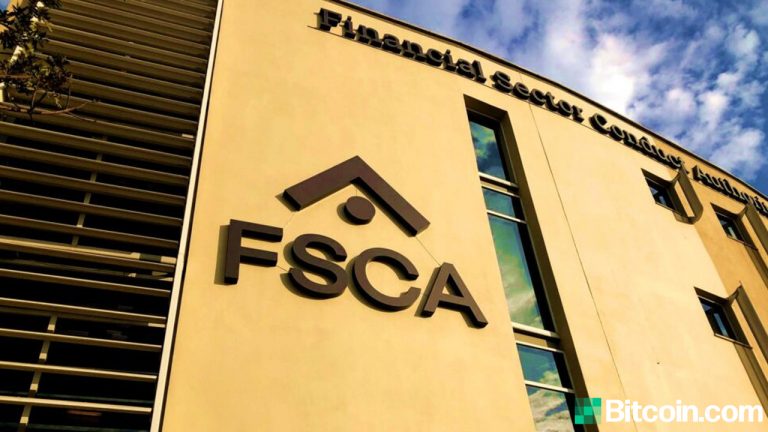
South African regulator the Financial Sector Conduct Authority recently issued its second crypto “health warning” after it noticed increased reports of crypto-related losses suffered “in the past three months.” In the warning, the regulator reminds investors that since cryptocurrencies are “not regulated by the authority or any other body,” there will be no legal recourse “if something goes wrong.”
Unregulated Firms and Promises of High Rewards
The FSCA’s second warning comes in the wake of the collapse of the Mirror Trading International (MTI), a bitcoin Ponzi scheme. As reported by Bitcoin.com News, MTI was subsequently identified as the biggest crypto scam in 2020 by a blockchain analysis firm, Chainalysis, in its annual crypto crime report.
However, in its latest warning, the South African regulator also zeroes in on scams and promises of very high rewards often made by unregulated entities. The health warning says:
The high risk already inherent in crypto assets is further being compounded by scam activity, as well as unregulated firms targeting consumers with marketing material that highlights the rewards, but not the potential downside, of investing in crypto.
Consequently, the regulator says it is now “working on finding measures to regulate certain aspects and players in the crypto asset space.” Until that happens, the FSCA is urging retirement fund trustees to remain “vigilant in their fiduciary duties before mandating investment managers to expose their fund assets to risks associated with crypto assets.”
Crypto Regulation Position Paper
Meanwhile, in the latest warning, the FCSA reveals ongoing steps by South African bodies to regulate the crypto industry. As explained in the warning document, the FCSA is part of the seven-member Intergovernmental Fintech Working Group (IFWG) that published its position paper in November 2020. The position paper lists “a variety of recommendations pertaining to the regulation of crypto assets.”
However, the regulator reiterates in its warning document that this position paper does not presently have an impact on the legal status of cryptocurrencies in that country. The FCSA states:
The draft Declaration in no way impacts the status of crypto assets in the context of other laws such as the Financial Sector Regulation Act (FSR Act) exchange control regulations, requirements under the Pension Funds Act (PFA) and Collective Investment Schemes Act (CIS Act)and so forth, nor does it attempt to regulate, legitimise or give credence to crypto-assets.
Nevertheless, the regulator says it expects a rollout of the new measures being worked on to start in “the coming months.”
What are your thoughts on the FSCA’s second health warning? Tell us what you think in the comments section below.
Comments
Post a Comment